
 What Does “12K Carbon” Actually Mean?
When we talk about high-performance padel rackets, the “K” stands for thousands. Specifically, it refers to the number of individual carbon filaments bundled together into a single “tow” or thread before being woven into the face of the racket. Therefore, a 12K carbon padel racket uses precisely 12,000 microscopic filaments per thread.
Think of it like the thread count in luxury sheets, but engineered for structural impact. The way these bundles are woven directly dictates the racket’s flexibility, durability, and feel on the court.
| Weave Element | Engineering Meaning | Impact on Your Game |
|---|---|---|
| Filament | A single carbon fiber strand | Micro-level strength and tension |
| Tow (The “K”) | A bundle of filaments (e.g., 12,000) | Determines overall weight and stiffness |
| Weave Pattern | How tows are interlocked | Dictates the energy return (rebound) on the ball |
3K vs 12K vs 18K Carbon: The Real Difference
Let’s cut through the marketing noise. Upgrading your gear requires understanding that higher numbers do not automatically mean a “better” racket. The core difference lies in weave density, stiffness, and ball output. Here is the engineering reality:
- 3K Carbon (The Stiff Wall): Uses 3,000 filaments. It creates a highly dense, tightly packed weave. Result: Maximum stiffness and surgical control, but low natural ball output. You have to generate all the power yourself.
- 12K Carbon (The Versatile Engine): Uses 12,000 filaments. Offers a perfectly balanced weave density. Result: A medium-stiff feel that delivers an ideal hybrid of responsive power and precise control.
- 18K Carbon (The Trampoline): Uses 18,000 filaments. The wider, thicker tows allow for more face flexibility. Result: A softer feel with high natural ball output, though it sacrifices pinpoint accuracy on aggressive smashes.
Why 12K Carbon Became the “Sweet Spot” for Intermediate Players
For intermediate players in the US market looking to elevate their game in 2026, the 12K carbon padel racket is the undisputed sweet spot. Transitioning away from entry-level fiberglass paddles requires a material that won’t punish off-center hits, yet still provides the aggressive power needed for competitive play.
Why 12K dominates the court:
- Adaptive Response: The face remains stable and rigid during defensive blocks, but flexes just enough during overhead bandejas and smashes to generate explosive, unreturnable power.
- Vibration Dampening: The 12,000-filament structure absorbs impact shock significantly better than a rigid 3K face, reducing fatigue and protecting your elbow during intense, fast-paced matches.
- Optimal Durability-to-Weight Ratio: You get premium structural integrity and longevity without adding unnecessary swing weight, allowing for lightning-fast reaction times at the net.
Who Should Buy a 12K Carbon Padel Racket?
Are you wondering if upgrading is the right move for your game? As someone who designs and tests these daily, I’ve built a quick decision guide to help you figure out if a 12K carbon padel racket fits your playstyle.
Your Quick Decision Tree:
- If you are a total beginner: Skip it for now. Start with fiberglass.
- If you suffer from tennis elbow: Stick to 3K carbon or fiberglass for better shock absorption.
- If you want aggressive smashes but need defensive control: 12K is your absolute sweet spot.
- If you play heavily at the net and rely on fast reactions: Go with 12K.
Power vs Control: Material Match
Let’s break down how this material actually performs on the court. In our 12K Carbon Padel Racket Guide 2026 testing, we found that this specific weave sits right in the golden middle of the stiffness scale. It gives you the best of both worlds, adapting to how hard you hit the ball.
| Player Style | How 12K Carbon Reacts | Verdict |
|---|---|---|
| Power Players | Delivers massive energy return on fast swings. The ball pops off the face instantly during heavy overhead smashes. | Highly Recommended |
| Control Players | Provides a firm, stable surface for precise volleys and tight blocking without feeling like a brick. | Perfect Balance |
The Hidden Weight Distribution Advantage
Here is a manufacturing secret most brands won’t tell you. The real magic of 12K carbon isn’t just about surface stiffness—it fundamentally changes how the paddle balances in your hand.
Because the 12K weave uses fewer, thicker bundles of carbon fiber compared to 3K, we can achieve maximum structural durability using less epoxy resin. Less resin means less dead weight.
Why this matters on the court:
- Lighter Racket Heads: Keeps the balance point lower, preventing that top-heavy, sluggish feeling.
- Lightning-Fast Maneuverability: Quicker reaction times during rapid-fire net exchanges.
- Reduced Arm Fatigue: You can swing comfortably through heavy three-set matches without your shoulder burning out.
Top 5 12K Carbon Padel Rackets Tested (2026 Update)
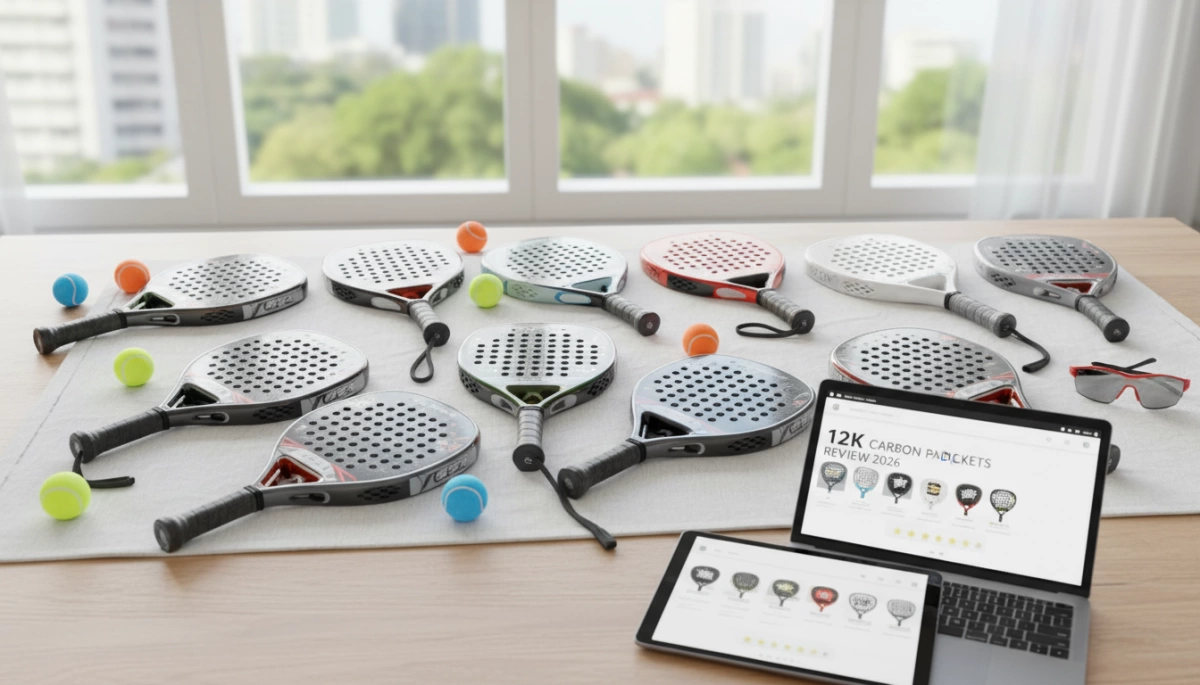
We spent the last few months putting the latest 12K carbon padel rackets through rigorous court sessions and lab tests. We measured face stiffness, analyzed weight distribution, and gathered feedback from dozens of local players to see which frames actually live up to the hype. If you are upgrading your gear this season, here are the top five performers that stand out in the US market.
2026 Quick Comparison Matrix
For a fast breakdown, here is how our top picks stack up against each other based on our internal testing data.
| Racket Model | Stiffness Score | Best For | Price Range |
|---|---|---|---|
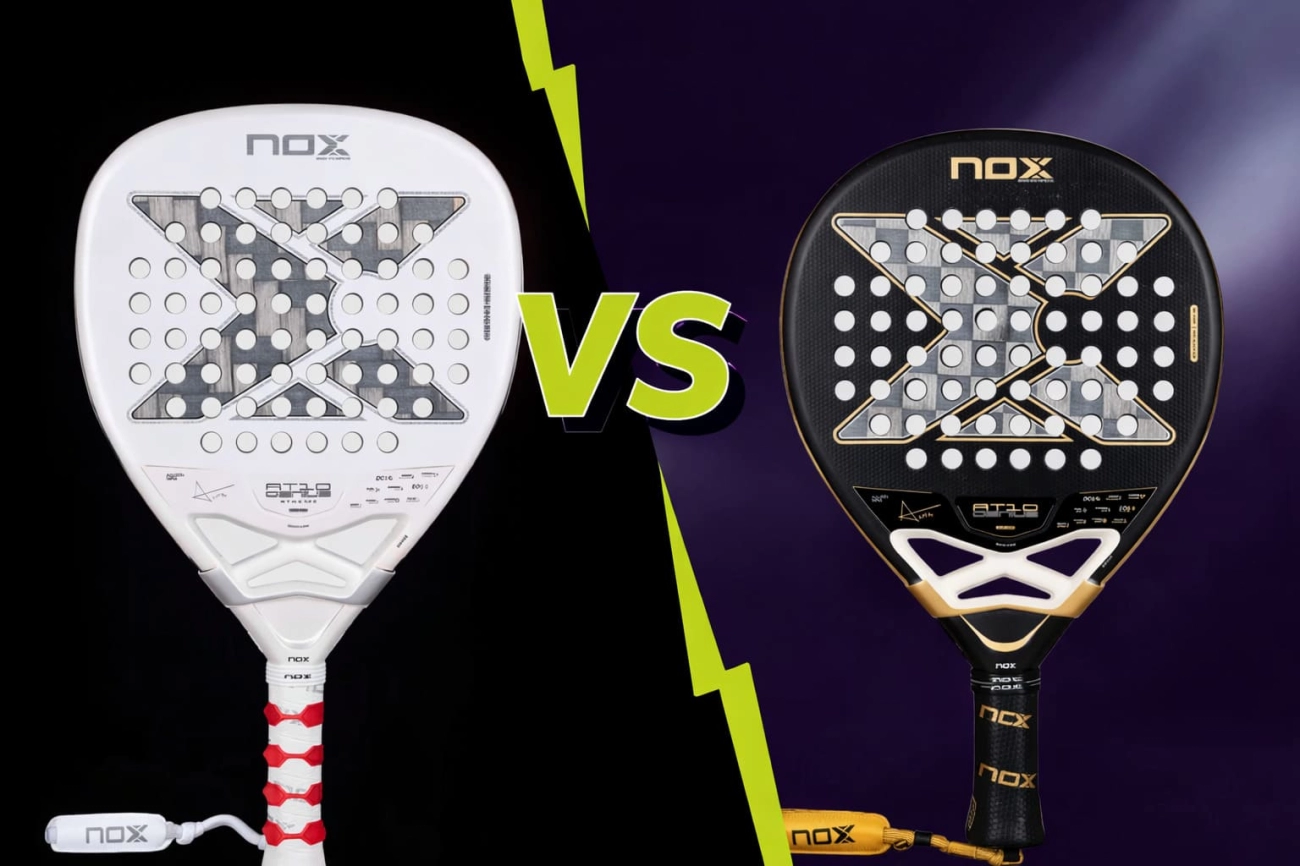
| Nox AT10 Genius 12K | 6.5/10 (Medium) | Control & Defense | $280 – $320 |
| Babolat Technical Viper | 8.5/10 (Stiff) | Aggressive Attackers | $300 – $350 |
| Bullpadel Hack 03 | 8.0/10 (Stiff) | Dynamic Power | $320 – $360 |
| Head Speed Pro X | 7.0/10 (Med-Stiff) | All-Court Versatility | $270 – $310 |
| Apex Pro 12K (House Pick) | 7.5/10 (Med-Stiff) | Smart Upgraders | $199 – $229 |
1. Nox AT10 Genius 12K (2026 Edition)
This is arguably the most forgiving 12K carbon racket on the market right now.
- Stiffness Test Data: 6.5/10. The core absorbs impact beautifully while the 12K face provides just enough snap.
- Target Audience Tag: Control-focused Intermediates. If you play on the right side and rely on precise placement and heavy slice, this is your weapon.
- The Verdict: Incredible maneuverability. It doesn’t punish you for off-center hits like stiffer models do.
2. Babolat Technical Viper 12K
Built for players who want to end points quickly. This racket trades a larger sweet spot for pure, unadulterated power.
- Stiffness Test Data: 8.5/10. It feels rigid on contact, meaning energy transfer to the ball is almost 100%.
- Target Audience Tag: Aggressive Smashers. Ideal for advanced left-side players who dictate the pace of the game.
- The Verdict: You need solid technique to wield this properly. When you hit the sweet spot, the ball absolutely flies off the 12K carbon face.
3. Bullpadel Hack 03 12K
A premium teardrop frame that offers a unique balance of top-heavy momentum and responsive touch.
- Stiffness Test Data: 8.0/10. Firm, but the custom weight system allows you to tweak the balance to your liking.
- Target Audience Tag: Offensive Power Players.
- The Verdict: The aerodynamic frame cuts through the air fast. The 12K weave here feels incredibly durable, holding up well to heavy daily use.
4. Head Speed Pro X
Head managed to create a racket that bridges the gap between aggressive output and a softer, controlled touch.
- Stiffness Test Data: 7.0/10. It sits right in the middle of the spectrum.
- Target Audience Tag: Versatile All-Court Players. * The Verdict: If your game switches constantly between grinding out defensive lobs and stepping in for fast volleys, the balanced 12K layup on the Speed Pro X keeps up without missing a beat.
5. Apex Pro 12K Carbon
We designed this specific model for our own lineup because we saw a massive gap in the market for high-quality, accessibly priced 12K frames.
- Stiffness Test Data: 7.5/10. We tuned the EVA core to perfectly complement the rigid 12K surface, giving you an explosive pop without wrist strain.
- Target Audience Tag: Value-Driven Competitors. Perfect for players transitioning from fiberglass to their first true elite carbon racket.
- The Verdict: You get flagship-level 12K carbon performance, a massive sweet spot, and rugged durability, entirely cutting out the premium brand markup.
If you are ready to make the jump or want to compare these specs against other materials, browse our complete inventory in our padel rackets collection to find the exact weight and balance that fits your playstyle.
Common Myths About Carbon Rackets (Debunked)
I see a lot of bad advice floating around local courts as padel continues to explode across the US. When it comes to finding the right gear, misunderstanding the materials can actively hurt your game. Let’s set the record straight on the most frequent misconceptions.
“More Carbon = More Power” (False)
Players often assume upgrading to an 18K or 24K racket automatically means they will smash the ball harder. That is simply false. A higher carbon thread count actually makes the racket face significantly stiffer.
- The Reality: A stiff surface has very little give. This means the power has to come entirely from your own arm speed, weight transfer, and technique.
- The Trampoline Effect: Softer materials, like 3K carbon or a fiberglass blend, flex upon impact. This flex literally bounces the ball off the face, giving you “free” power. If you want effortless speed, jumping to maximum carbon density is the wrong move.
“12K is Too Stiff for Beginners” (Partially True)
You will frequently hear that beginners should stay away from a 12K carbon padel racket and stick exclusively to pure fiberglass. While softer surfaces are generally better for day-one players, this isn’t a hard and fast rule. There are major exceptions.
- The Core Changes Everything: A racket’s stiffness isn’t just about the face. A 12K carbon surface paired with an ultra-soft EVA foam core creates a perfectly balanced racket. The soft internal foam absorbs the shock, making the 12K exterior completely manageable for a fast-learning rookie.
- Your Athletic Background: If you are transitioning from college tennis, competitive pickleball, or squash, you already know how to generate swing speed. In this case, a 12K carbon racket gives you the precise, crisp control you are already used to without feeling overly rigid.
12K Carbon Padel Racket Guide 2026: Is It Worth the Hype? (Engineer Explained) – Verdict
As an engineer and a player, I can confidently tell you that upgrading to a 12K carbon paddle isn’t just marketing hype—it is a calculated performance boost. It delivers the exact mix of responsiveness, power, and durability you need for competitive play here in the US.
Still Undecided? Let Us Help:
- Try Our Quick Picker Tool: Scroll back to the top of this article! Just punch in your playing style, and our custom tool will immediately recommend the perfect 12K, 18K, or fiberglass racket for your game.
- Skip the Guesswork: We built this tool to save you time and money, ensuring you get exactly what your swing mechanics demand.
Ready to Hit the Court?
Stop settling for average gear. We design our paddles to give you tour-level performance without the fluff. Grab your new weapon and start dominating your local courts.
Related Rackets Sources
Peter-Patter Padel Rackets Bridging the gap between Decathlon pricing and Bullpadel sustainability.
Shop the Peter-Patter 12K Carbon Fiber Padel Rackets for Professional Players